



Interior Design
Introduction
Interior design is more than just arranging furniture or selecting colors for a space. It is a multifaceted discipline that combines creativity, technical knowledge, and an understanding of human behavior to create functional and aesthetically pleasing environments. Whether you’re just starting your journey or looking to deepen your expertise, studying interior design offers invaluable skills and opportunities in a rapidly evolving industry.
Understanding the Discipline
Interior design encompasses a wide range of skills, from space planning and material selection to lighting and furniture design. A formal education in interior design provides a comprehensive understanding of these elements, allowing designers to create environments that are not only beautiful but also functional and sustainable. Courses in this field typically cover topics such as:
- Design Principles and Elements: Understanding the foundational concepts of design, including balance, proportion, and color theory.
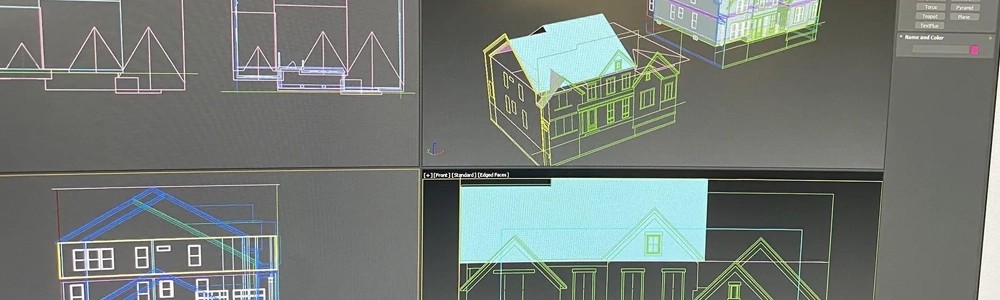
- Technical Skills: Learning how to use industry-standard software for drafting, modeling, and rendering designs.
- Material Knowledge: Gaining insights into different materials and finishes, including their applications and sustainability aspects.
- Human-Centered Design: Focusing on the needs and behaviors of the people who will use the spaces, ensuring that designs are both functional and user-friendly.
Career Opportunities in Interior Design
The demand for skilled interior designers is growing as more people recognize the value of professionally designed spaces. From residential projects to commercial spaces like offices, hotels, and retail stores, interior designers play a crucial role in shaping the environments where people live, work, and play.
For beginners, studying interior design opens the door to a variety of entry-level roles, such as:
- Junior Interior Designer
- CAD Technician
- Interior Stylist
Intermediate learners can explore more specialized roles, including:
- Project Manager: Overseeing the design process from concept to completion.
- Design Consultant: Offering expert advice on design trends and strategies.
- Sustainability Consultant: Focusing on eco-friendly and sustainable design practices.
Advanced professionals may find opportunities in leadership positions or even start their own design firms, bringing their unique vision to a broader audience.
The Benefits of Formal Education in Interior Design
While creativity is at the heart of interior design, formal education provides the technical skills and industry knowledge needed to succeed. For beginners, it lays a solid foundation, while for more advanced learners, it offers opportunities to specialize and refine their expertise.
- For Beginners: A structured learning environment helps beginners grasp the basics, build confidence, and develop a portfolio that showcases their skills.
- For Intermediate Learners: Continuing education allows for the exploration of new techniques, software, and design trends, keeping skills up-to-date in a competitive industry.
- For Advanced Professionals: Advanced courses and certifications can help seasoned designers stay ahead of industry changes and expand their services to include niche markets or new technologies.
Conclusion
Studying interior design is a worthwhile investment for anyone passionate about creating spaces that enhance the quality of life. Whether you are just beginning or looking to elevate your career, the knowledge and skills gained through formal education will equip you to meet the challenges of the modern design industry. With the right training, the possibilities in interior design are endless.